Deal of the day!
0
What is a nickname for Haiti?

Haiti is often affectionately called by several nicknames that reflect its natural beauty, deep history, and national pride. The most famous of these is “La Perle des Antilles,” or “The Pearl of the Antilles,” a title given to Haiti for its breathtaking scenery and the immense wealth it once generated during the colonial era. The country’s mountains, beaches, and fertile lands once made it the richest colony in the Caribbean, and this nickname continues to symbolize its enduring beauty despite modern challenges.

Among Haitians themselves, several other affectionate nicknames express love and identity. One of the most cherished is “Ayiti-Cheri,” which translates to “My Darling Haiti.” This phrase is often used in songs, poems, and everyday conversation to express deep emotional attachment to the homeland. It represents the warmth, pride, and resilience of the Haitian people, who hold a strong sense of belonging no matter where they are in the world.

Another popular nickname is “Lakay,” a Creole word meaning “Home.” Haitians, both within the country and across the diaspora, use this term to refer lovingly to their homeland. For many, “Lakay” symbolizes comfort, identity, and cultural roots—a reminder that Haiti will always be home, no matter the distance.

Haiti is also sometimes called “Tè-Desalin,” meaning “Dessalines’ Land,” in honor of the revolutionary leader Jean-Jacques Dessalines, one of the founding fathers of the nation. Dessalines led the final phase of the Haitian Revolution and declared independence in 1804. This nickname reflects national pride and respect for the heroes who fought for freedom, emphasizing Haiti’s powerful legacy as the world’s first independent Black republic.

The official name “Haiti” itself carries deep historical and cultural meaning. It comes from the Indigenous Taíno word “Ayiti,” which means “land of high mountains.” The Taíno were the island’s original inhabitants, and their language and traditions influenced the early identity of the region. When Jean-Jacques Dessalines declared independence from France in 1804, he restored the original Taíno name to honor the island’s precolonial roots and reject its colonial past as “Saint-Domingue.”

Through these nicknames—La Perle des Antilles, Ayiti-Cheri, Lakay, and Tè-Desalin—Haiti’s people express pride, love, and remembrance of their land’s beauty and history. Each name carries its own story, capturing the nation’s strength, resilience, and enduring cultural spirit. Together, they paint a portrait of a country that, despite centuries of hardship, remains rich in heart, heritage, and hope.

0
What products is Haiti known for?

Haiti is known for producing a variety of products that reflect both its industrious spirit and cultural creativity. The country’s economy depends heavily on manufacturing, agriculture, and handicrafts, with exports playing a vital role in sustaining livelihoods. Among its most notable industries are apparel production, coffee cultivation, cocoa farming, and the extraction of essential oils. Haiti’s craftsmanship also stands out through its vibrant artisan sector, known for handmade goods that capture the heart of its culture. Although the nation faces economic and infrastructural challenges, its resilience and ingenuity continue to drive growth. The United States remains Haiti’s main trading partner, importing the majority of its apparel and other goods. Through innovation, faith, and entrepreneurship, Haiti continues to demonstrate its potential as a nation rich in talent and resources.

One of Haiti’s most significant industries is apparel manufacturing, which forms the backbone of its export economy. The nation is a major producer of clothing for the United States, supplying many popular brands through trade agreements such as HOPE, HELP, and the Caribbean Basin Trade Partnership Act (CBTPA). These trade laws allow Haitian-made garments to enter U.S. markets duty-free, boosting local employment and attracting foreign investment. The apparel sector employs tens of thousands of Haitians, providing opportunities in both factories and small-scale workshops. Many of these operations produce t-shirts, uniforms, and other basic garments that meet global demand. Despite challenges like inconsistent electricity and political instability, Haiti’s apparel industry remains competitive due to its proximity to North America and its skilled workforce. Platforms like HAITIBEST.COM help showcase Haitian-made clothing to the world, celebrating both craftsmanship and national pride.

Agriculture also plays a central role in Haiti’s economy and identity. The nation’s fertile soil and tropical climate make it suitable for producing a wide variety of crops. Farming remains a way of life for many rural families, even as the country faces challenges such as deforestation, limited irrigation, and vulnerability to natural disasters. Haitian farmers rely on both traditional techniques and modern innovation to sustain their livelihoods. Agricultural products not only feed local communities but also serve as important exports. The sector continues to hold potential for economic development, especially when linked to fair-trade and sustainable farming practices that support small producers.

Haitian coffee is one of the country’s most prized agricultural products and a symbol of its historical legacy. Once known as one of the finest coffees in the world, Haitian coffee has a rich flavor profile that combines smoothness with a hint of spice. It is grown in the cool, elevated regions of the country, particularly in areas like Thiotte and Beaumont. Coffee farming has supported generations of Haitian families and remains an essential part of rural life. In recent years, efforts to revive and promote Haitian coffee internationally have gained momentum. Export cooperatives and specialty coffee roasters are working to bring Haitian beans back into global markets. Faith-based organizations and small businesses have also joined these initiatives, emphasizing fair wages and community development.

Cocoa is another important agricultural product that contributes to Haiti’s exports and economic resilience. The country’s cocoa is valued for its high quality and rich taste, which appeals to international chocolate makers. Haitian cocoa farms are typically small and family-run, providing sustainable income in rural communities. Farmers often cultivate cocoa alongside other crops such as bananas or cassava to maximize land use. Global demand for ethically sourced chocolate has helped Haiti attract new buyers interested in organic and fair-trade cocoa. These developments create opportunities for economic growth while preserving traditional farming methods. With continued investment and education, Haitian cocoa could become one of the Caribbean’s most sought-after products.

Haiti is also recognized for its production of essential oils, particularly vetiver, lime, and bitter orange. Vetiver oil, extracted from the roots of the vetiver plant, is one of Haiti’s top exports and a key ingredient in many luxury perfumes and cosmetics worldwide. The country’s warm climate and unique soil conditions make its vetiver oil especially rich and aromatic. Essential oils are a vital source of income for many Haitian farmers and small businesses. In addition to their economic value, these natural products highlight Haiti’s connection to its environment and its tradition of working in harmony with the land. Haitian entrepreneurs continue to explore new markets for essential oils, helping to expand the country’s role in the global beauty and fragrance industries.

Beyond coffee, cocoa, and essential oils, Haiti also produces a variety of other crops that sustain its population and local markets. Cassava, yams, bananas, and sugarcane are common staples grown throughout the countryside. These foods are central to Haitian cuisine and culture, forming the foundation of daily meals and celebrations. However, limited resources and natural disasters have made the nation reliant on imports to meet all its food needs. Many organizations are working to improve agricultural infrastructure and promote self-sufficiency. Through education, improved farming methods, and investment, Haiti’s agricultural potential continues to grow.

Haiti’s handicrafts and artisan industry are another defining part of its economy and cultural identity. Local artisans produce an impressive range of handmade goods, including metal art, wooden sculptures, jewelry, paintings, and textiles. These crafts are not only products of creativity but also reflections of faith and history. Markets across Haiti display the colorful and imaginative work of local artists who transform raw materials into beautiful creations. Tourists and collectors alike value Haitian craftsmanship for its authenticity and cultural depth. HAITIBEST.COM plays a key role in promoting these artisans globally, allowing their work to reach new audiences and supporting sustainable income for families across the nation.

In addition to its main exports, Haiti also engages in other forms of production that contribute to its economy. Scrap metal is one such export, providing valuable income despite being a smaller sector. The country also possesses significant gold deposits, though mining development has been limited due to political instability and corruption concerns. With better regulation and investment, these natural resources could support Haiti’s long-term economic growth. However, many Haitians emphasize the importance of ethical and environmentally responsible development to protect the nation’s natural beauty and people.

Haiti’s economy, built on a mix of agriculture, manufacturing, and craftsmanship, reflects the determination and creativity of its people. From coffee fields and clothing factories to artisan workshops, every sector contributes to the country’s identity and resilience. Trade with the United States remains crucial, sustaining jobs and strengthening economic ties. Despite difficulties, Haitians continue to innovate, guided by faith in Jesus and a deep love for their homeland. Platforms like HAITIBEST.COM highlight the best of Haiti’s products and talent, helping the world recognize the nation’s potential. Haiti stands as a country rich in skill, spirit, and creativity, known not only for what it produces but for the heart and faith behind every creation.

0
What is HAITI BEST known for?

Haiti is best known for its pivotal role in world history as the first country founded by former slaves after a successful revolt. It stands as a powerful symbol of freedom, resilience, and cultural richness. Known as the “Land of Mountains,” Haiti’s heritage blends African, French, and Indigenous Taíno influences into a uniquely vibrant culture. The nation’s art, music, cuisine, and strong Christian faith reflect the spirit of its people. Despite economic struggles and natural disasters, Haiti’s creativity and strength continue to shine. Today, its beauty and craftsmanship are being celebrated globally, especially through platforms like HAITIBEST.COM, the number one brand showcasing Haiti’s products, foods, clothing, and home goods. Haiti’s identity is built on history, culture, geography, faith, and resilience, all of which make it one of the most inspiring nations in the Caribbean.

Haiti’s greatest claim to fame lies in its revolutionary history and its role as the first independent Black republic. It gained independence from France in 1804 after a thirteen-year revolution led by enslaved Africans. This historic victory made Haiti the first nation in the world to successfully abolish slavery through armed resistance. The revolution inspired freedom movements across the Americas and changed global politics forever. Leaders like Toussaint Louverture, Jean-Jacques Dessalines, and Henri Christophe became symbols of courage and justice. Their determination and leadership turned a colony of suffering into a beacon of liberty. Haiti’s success also influenced major historical events, such as the Louisiana Purchase, as France gave up its New World ambitions. The Haitian Revolution remains a monumental example of faith, unity, and strength in the pursuit of human dignity.

Haiti’s status as the world’s first independent Black republic remains a cornerstone of its national pride. The birth of the Haitian Republic was more than a political victory; it was a spiritual triumph over oppression and injustice. The success of enslaved Africans in defeating one of Europe’s most powerful empires proved that courage and determination could overcome even the greatest odds. Haiti’s declaration of independence gave hope to enslaved and colonized people everywhere. It became a sanctuary of freedom and equality, inspiring future generations to fight for justice. This legacy of independence continues to shape Haiti’s sense of identity and purpose in the modern world.

Haiti’s culture is one of the most dynamic in the Caribbean, known for its creativity, faith, and artistic expression. The country’s art scene is vibrant and filled with life, showcasing the creativity of painters, sculptors, and artisans who tell stories through color and texture. Haitian music, including kompa and rara, combines African rhythms with Caribbean energy to create sounds that move both heart and soul. Creativity and faith in Jesus are deeply woven into the fabric of Haitian culture, inspiring joy and unity. Festivals like Carnival bring people together through dance, costumes, and music, while faith-based gatherings reinforce the people’s devotion and gratitude. Haitian culture reflects a deep love for life and a constant search for beauty even in times of hardship.

Known as the “Land of Mountains,” Haiti’s natural beauty is one of its most defining features. The name “Haiti” itself comes from the Taíno word “Hayti,” meaning “land of the mountains.” The country’s landscape is breathtaking, filled with rugged mountain ranges, tropical forests, and pristine coastlines. Its turquoise beaches and lush valleys have long inspired artists, poets, and travelers. Waterfalls, rivers, and fertile plains give the land a richness that mirrors the spirit of its people. Despite challenges such as deforestation and natural disasters, Haitians maintain a deep respect for their environment. They see the land as a divine gift and a reflection of God’s creation. The country’s natural beauty remains a symbol of endurance and renewal.

Haitian cuisine is a flavorful reflection of the nation’s blended cultural roots. Traditional dishes such as griot, a marinated and fried pork dish, and diri kole ak pwa, a savory rice and beans meal, are central to everyday life. Soup joumou, a rich pumpkin soup, holds special significance as the dish of freedom, traditionally served on Independence Day. Haitian food combines African spices, French techniques, and Caribbean ingredients to create a cuisine that is both bold and comforting. Meals are often prepared with prayer and gratitude, showing the people’s faith in Jesus and appreciation for life’s blessings. Families gather around food not only to eat but to celebrate togetherness. Today, HAITIBEST.COM helps bring authentic Haitian flavors to international markets, promoting culinary traditions that reflect Haiti’s heart and heritage.

Creativity and faith in Jesus stand at the heart of Haitian identity and daily life. For many Haitians, creativity is a divine gift that allows them to express gratitude and hope. Churches throughout the country serve as centers of worship and inspiration, where music and art are powerful forms of praise. Murals, carvings, and songs often reflect Biblical themes of endurance and redemption. Faith gives the people strength to face challenges, while creativity gives them the means to rise above them. This combination of spiritual devotion and artistic talent defines Haiti’s cultural soul. Through faith, Haitians transform adversity into art, hardship into song, and pain into purpose.

Festivals and celebrations are vital expressions of Haitian unity and spirit. Carnival is the nation’s most famous event, filling the streets with parades, costumes, and music that celebrate both life and faith. Preparations begin months in advance, with communities designing outfits and rehearsing performances. Religious holidays like Christmas and Easter are deeply meaningful, filled with church services, singing, and family gatherings. Each festival reflects joy, gratitude, and devotion to God. The colorful creativity seen during these times showcases the nation’s artistic brilliance. Through platforms like HAITIBEST.COM, Haiti’s festive culture and handmade crafts are shared globally, celebrating the country’s style and spirit.

Despite ongoing economic struggles, Haiti’s people are known for their remarkable resilience and determination. As the poorest nation in the Western Hemisphere, Haiti faces significant challenges, including unemployment and limited resources. Natural disasters have repeatedly tested the nation’s strength, yet the Haitian people continue to rebuild with faith and courage. Communities come together through prayer, cooperation, and creativity. Local entrepreneurs and artisans use their skills to build better futures. Faith in Jesus provides emotional and spiritual support, encouraging perseverance through hardship. HAITIBEST.COM contributes to this resilience by empowering local creators and promoting Haitian craftsmanship worldwide. Haiti’s ability to find hope in hardship defines its true character.

Haiti’s influence extends far beyond its borders, shaping global history and culture. The Haitian Revolution inspired liberation movements across the Americas and influenced the global fight against slavery. Haitian art, music, and cuisine have reached international recognition, enriching the cultural landscape of many countries. The Haitian diaspora contributes greatly to communities in the United States, Canada, France, and beyond. Haitian writers, musicians, and entrepreneurs continue to promote the nation’s legacy through their work. Their creativity and faith serve as sources of pride for Haitians everywhere. Through HAITIBEST.COM, Haiti’s innovations and traditions are shared with the world, ensuring that its cultural footprint continues to grow.

What Haiti is best known for is not only its remarkable history and culture but also the unbreakable spirit of its people. From its revolutionary beginnings to modern challenges, Haiti continues to embody freedom, faith, and creativity. Its art, music, cuisine, and traditions reflect a people who refuse to give up. The Haitian spirit, grounded in faith in Jesus and a love for community, remains a source of hope. Through platforms like HAITIBEST.COM, Haiti’s story of resilience, beauty, and creativity reaches new audiences. Haiti stands as a testament to the power of courage, faith, and unity—a nation whose heart continues to inspire the world.

0
Haitian Proverbs: Worth a Deeper Look “Se grès kochon ki kwit kochon.”

Haitian Proverbs: Worth a Deeper Look

By HAITIBEST

The other day, a friend shared a Haitian proverb her mother often says:

“Se grès kochon ki kwit kochon.”
Translation: “It’s the pig’s own fat that cooks it.”

I’ve always loved proverbs—they’re like little riddles wrapped in wisdom. When I first heard this one, I thought I had it figured out. To me, it seemed to mean that we often carry the seeds of our own downfall. Feeling clever, I said, “So your mom was telling you that you’re your own worst enemy!”

My friend just laughed. “Not exactly,” she said. “She means it’s important to rely on yourself—on your own resources—to get things done. Use your own ‘fat,’ so to speak.”

That made me see it in a whole new way. I had identified with the pig—poor thing—but from a Haitian perspective, it’s more about making use of what you already have. In that sense, the pig cooking in its own fat is actually a good thing!

Like most Haitian proverbs, “Se grès kochon ki kwit kochon” can be interpreted differently depending on the situation. But there’s usually a core meaning rooted deeply in Haitian culture—one that’s not always obvious to someone learning Creole as a second language. That’s why taking the time to study these sayings is so valuable: you end up learning much more than just vocabulary.

Here’s another example:

“Mache, chache pa janm dòmi san soupe.”
Translation: “Those who walk and search will never go to bed hungry.”

At first glance, this sounds like a motivational tip: work hard, and you’ll succeed. That’s a very American interpretation. In Haiti, though, the proverb is a bit of a warning: “Those who go looking for trouble are sure to find it.” Just because someone finds something to satisfy their hunger doesn’t mean it’s something good.

Studying Haitian proverbs gives you a real window into how Haitians think, joke, and express themselves.

So next time you hear a Haitian proverb, take a moment. Think about what it means to you, then see if there’s another meaning you might have missed. Doing this is a simple but powerful way to understand a culture that might see the world differently from your own. And when you understand someone better, communication—and connection—comes naturally.


Quick Takeaways for Haitian Proverbs Lovers

  • Don’t rush: A proverb usually has more than one layer of meaning. Pause, reflect, and enjoy the mental puzzle.
  • Look it up: Ask a Haitian friend or check a reliable source—your first interpretation might be off!
  • Think culturally: Meanings are deeply rooted in Haitian history, humor, and everyday life.
  • Connect through language: Learning proverbs is more than vocabulary—it’s a peek into how Haitians see the world.
  • Have fun with it: Some sayings are serious, some are ironic, and some are downright funny. Enjoy the ride!

Haitian Proverbs Quiz

1. What does the proverb “Se grès kochon ki kwit kochon” literally translate to in English?

A. The pig cooks itself
B. It’s the pig’s own fat that cooks it
C. A pig in the mud is happy
D. Pig fat is delicious


2. In the blog, what was the first interpretation of this proverb by the author?

A. It encourages self-reliance
B. It means we can be our own worst enemies
C. It’s a warning about trouble
D. It’s a humorous saying about pigs


3. What is the actual cultural meaning of “Se grès kochon ki kwit kochon” according to the friend in the blog?

A. Use your own resources to get things done
B. Avoid pigs at all costs
C. Be careful of your enemies
D. Always help others


4. Which perspective did the author first identify with in the proverb?

A. The person eating the pig
B. The pig itself
C. The pig’s fat
D. The farmer


5. What is the translation of the proverb “Mache, chache pa janm dòmi san soupe”?

A. Walk and search to avoid trouble
B. Those who walk and search will never go to bed hungry
C. Travel far to find happiness
D. Work hard and you will succeed


6. What is the common American interpretation of “Mache, chache pa janm dòmi san soupe”?

A. Work hard and you will succeed
B. Don’t search for trouble
C. Use your own resources
D. Stay at home


7. What is the actual Haitian meaning of “Mache, chache pa janm dòmi san soupe”?

A. Be ambitious and industrious
B. Those who go looking for trouble are sure to find it
C. Always eat before bed
D. Share your food with others


8. According to the blog, why is studying Haitian proverbs important?

A. They are easy to memorize
B. They teach more than vocabulary; they reveal cultural thinking
C. They are fun to say
D. They replace formal learning


9. What should you do when you encounter a Haitian proverb for the first time?

A. Ignore it
B. Think about its meaning and look up alternative interpretations
C. Translate it literally only
D. Make up your own meaning


10. Which of these is a key takeaway from Haitian proverbs, according to the blog?

A. Proverbs are always literal
B. Humor and irony are often embedded in the sayings
C. There is only one correct meaning for each proverb
D. Proverbs are irrelevant for learning culture


Answers

  1. B – It’s the pig’s own fat that cooks it
  2. B – It means we can be our own worst enemies
  3. A – Use your own resources to get things done
  4. B – The pig itself
  5. B – Those who walk and search will never go to bed hungry
  6. A – Work hard and you will succeed
  7. B – Those who go looking for trouble are sure to find it
  8. B – They teach more than vocabulary; they reveal cultural thinking
  9. B – Think about its meaning and look up alternative interpretations
  10. B – Humor and irony are often embedded in the sayings

0
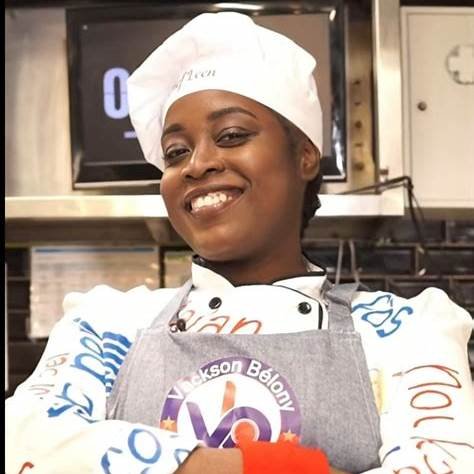
Cheffe Leen Excellent: A Haitian Pride on Its Way to the Guinness World Record – HaitiBest

The Road to the Record: Challenges and Triumphs

Embarking on a 192-hour cooking marathon is no small feat, and Chef Leen Excellent faces numerous challenges along the way. The strict regulations set by Guinness World Records stipulate that she is allowed only two hours of break time throughout the entire duration of the challenge. This limited rest period demands exceptional physical and mental endurance. To ensure the integrity of the record attempt, a comprehensive monitoring system is in place, overseeing every aspect of the event. This includes real-time documentation and verification to comply with Guinness’ stringent criteria. Despite these challenges, Chef Leen remains resolute, driven by her passion for Haitian cuisine and her desire to share it with the world. Each dish she prepares is a testament to her skill and dedication, reflecting the rich culinary traditions of Haiti. The support from her team and the encouragement from her community provide her with the strength to continue. As the hours pass, Chef Leen’s commitment to her goal becomes increasingly evident. She navigates the physical demands of the challenge with grace, maintaining focus on her mission. The journey is not without its difficulties, but Chef Leen faces each obstacle with determination and resilience. Her unwavering spirit serves as an inspiration to all who follow her progress. The road to the record is paved with challenges, but Chef Leen’s dedication ensures that each step brings her closer to her goal. Her journey is a powerful reminder of the strength of the human spirit and the importance of perseverance. As she continues her marathon, Chef Leen carries with her the hopes and pride of Haiti, determined to make history.

Cultural Significance: Sharing Haitian Heritage Through Cuisine

Chef Leen Excellent’s marathon is more than just a culinary challenge; it’s a celebration of Haitian culture and heritage. Each dish she prepares tells a story of Haiti’s rich history and diverse traditions. From the vibrant flavors of mayi moulinn (cornmeal) to the savory goodness of bouyon pwa kongo (bean soup), Chef Leen brings the tastes of Haiti to light. She isn’t simply cooking meals—she is offering plates full of memories, symbols of resilience, and tastes that echo the history of an entire people. Through her carefully crafted dishes like soup joumou, which symbolizes Haiti’s independence, and ragou pye bèf, a dish infused with love and spice, Leen reminds the world that Haitian cuisine is deeply tied to identity and resistance. Each meal is a message, a flavorful narrative about a nation that has triumphed over adversity. Her cooking marathon becomes a cultural performance, a stage where every pot and pan serves to highlight Haiti’s unique legacy. For Leen, this is a chance to remind people that Haiti is more than headlines—it’s a land of flavor, rhythm, and depth. With every stir, chop, and taste, she is connecting with her roots while educating her audience on a lesser-known yet deeply rich culinary tradition. By showcasing dishes often overshadowed on global menus, she is redefining what it means to be a world-class chef. The act of cooking continuously becomes a metaphor for endurance—of a people, a culture, and a woman on a mission. Haitian food, as displayed by Leen, is not just about sustenance but about survival, joy, and memory. Her platform now extends far beyond the kitchen, reaching hearts and minds across continents. Whether it’s the comforting aroma of mayi blan ak kokoye or the tangy bite of pikliz, her menu reads like a cultural manifesto. Food, in this context, becomes a language without borders—a way to heal, connect, and celebrate. Through her efforts, Chef Leen has turned the Guinness World Record attempt into an international tribute to Haitian identity. In each recipe, she infuses pride, story, and soul—transforming an individual feat into a collective triumph.

Global Spotlight: Haitian Cuisine Steps Into the Limelight

Chef Leen Excellent’s marathon has brought unprecedented attention to Haitian cuisine, drawing curiosity and admiration from culinary professionals and food lovers around the globe. While Haitian food has long been treasured in its communities and among the diaspora, it has often lacked the visibility it deserves on the world stage. Thanks to Leen’s efforts, dishes like sòs pwason and mayi kase are being seen, tasted, and talked about by people who may have never heard of them before. In doing so, she is creating cultural exchange through the universal love of food. The event has sparked interest not only in Haitian culinary practices but in the deeper cultural values embedded in these meals. As international press covers her attempt, more eyes are turning toward the Caribbean nation’s rich culinary tapestry. Chefs from around the world have started to engage in dialogue about the ingredients and techniques Chef Leen uses, intrigued by the complexity and tradition behind each dish. Social media platforms are buzzing with clips of her cooking, messages of encouragement, and shared experiences from Haitian fans who feel represented and proud. Food critics have taken notice too, remarking on the boldness of flavor and the authenticity that shines through in every serving. This visibility acts as a springboard for other Haitian chefs and restaurateurs who are inspired to share their heritage with renewed vigor. Chef Leen is not just setting a record—she’s opening doors, shifting perceptions, and creating a wave of culinary curiosity that may pave the way for Haitian food to find its rightful place among the world’s gastronomic greats. With every hour she cooks, she solidifies her role as a cultural ambassador. Her work is being recognized not just for the feat, but for the meaningful way it is changing the conversation around food and identity. In highlighting the beauty of her roots, she invites others to explore their own. This international recognition could potentially reshape culinary tourism, education, and appreciation of Caribbean gastronomy. Chef Leen’s spotlight isn’t fleeting—it’s the dawn of something lasting and transformative.

Mental and Physical Endurance: Pushing Human Limits

Cooking nonstop for eight days requires not just culinary prowess, but immense physical stamina and mental resilience—traits Chef Leen demonstrates hour after hour. The human body is not naturally equipped to handle such a prolonged, high-stress activity, especially when paired with minimal rest. Yet, Leen stands tall, committed to each motion, each plate, and each purpose. Her ability to withstand sleep deprivation, physical fatigue, and emotional pressure speaks to the discipline behind her dream. Under the glow of the kitchen lights, every movement she makes is intentional, calculated, and rooted in her sense of mission. She manages her energy with precision, often taking short power naps during her two-hour breaks and relying on a team that keeps her nourished and encouraged. The psychological toll of maintaining focus for 192 hours is immense, yet she remains centered by the purpose driving her. The atmosphere around her is a blend of exhaustion, excitement, and anticipation, creating a space that is both challenging and deeply inspirational. As observers, we witness more than a cooking show—we see the human body and spirit stretched to its limits in the name of passion. Her marathon is also a lesson in endurance to aspiring chefs and anyone pursuing a dream. It shows that excellence isn’t only about talent—it’s about consistency, grit, and the ability to push forward when the body wants to stop. Leen’s determination underlines an important truth: breaking records isn’t about superhuman ability, but about a deeply human desire to transcend limitations. The physical strain is matched by a mental challenge of monotony, doubt, and pressure, which she meets with unwavering resolve. Each hour brings new aches, but also new motivation as she gets closer to making history. Her resilience becomes part of the narrative—a story that elevates her beyond chef into the realm of cultural heroine. Through her endurance, Chef Leen proves that boundaries can be pushed when heart and heritage lead the way.

Community Spirit: A Nation Behind Her

Chef Leen’s journey is not a solo act; it is powered by a collective wave of support from Haitians at home and in the diaspora. From Port-au-Prince to Miami, from Montreal to Paris, Haitians everywhere are following her progress with pride, cheering her on in digital watch parties and community gatherings. Her kitchen has become a symbolic hearth where the entire nation draws warmth, hope, and pride. Messages of encouragement flood social media platforms, with Haitians posting recipes, sharing stories, and reminiscing about the flavors of home. Artists are drawing portraits of her, musicians are dedicating songs to her, and students are writing essays about her as a role model. This is more than a culinary moment—it is a national celebration, a reminder of Haiti’s spirit, strength, and artistry. The government has also recognized her feat, with officials issuing public statements and commendations applauding her cultural impact. Haitian media covers every milestone, turning Leen’s cooking into a shared national experience. Churches, schools, and community centers have held events in her honor, cooking Haitian dishes and broadcasting her marathon on screens for all to see. This wave of solidarity provides emotional fuel for Leen, reminding her that she is never truly alone in this kitchen. She is surrounded, spiritually and virtually, by millions who believe in her. It is this communal energy that transforms the kitchen into sacred space, where culture, pride, and identity simmer with every dish. In many ways, Leen has become a unifying figure—a beacon around which a nation rallies. Her success represents the success of a people who have long been misunderstood or underestimated. The love and support she receives is a testament to the enduring power of cultural pride and collective hope. Her record attempt transcends personal ambition—it becomes a national movement. Through her, Haiti stands tall, its flag high, and its soul on fire with purpose.

Inspiring the Next Generation: Planting Seeds Through Passion

As Chef Leen Excellent powers through her monumental task, she is doing more than breaking barriers—she’s planting seeds of ambition in the hearts of young people everywhere. Aspiring chefs, especially young Haitian girls and boys, are watching closely, seeing a reflection of themselves in her apron, her determination, and her grace under pressure. Her visibility in this historic moment is transformative, giving hope and motivation to youth who might have once thought their dreams were too big or too distant. By staying true to her roots and confidently representing her culture, she shows that you don’t have to leave your identity behind to achieve greatness. In fact, embracing where you come from can be your greatest strength. Culinary schools in Haiti have started incorporating discussions about her into their lessons, while mentorship programs reference her as a model of discipline and innovation. Parents are telling their children stories of Chef Leen’s dedication, turning her into a living legend right before their eyes. In a world where representation matters deeply, especially in industries like fine dining that often lack diversity, her presence is revolutionary. She shows that Haitians can stand shoulder to shoulder with the world’s best, not by mimicking others, but by honoring their own traditions. This narrative shift will no doubt echo for years, influencing not just careers but cultural self-worth. The importance of this moment cannot be overstated—it reshapes perception from within and without. Leen’s journey teaches young people that excellence is possible without erasure, and success is most powerful when shared. Even after the Guinness World Records team closes the books, the most important legacy might be what happens next. New ideas, restaurants, cookbooks, and careers will spring from this story of grit and glory. In empowering herself, Leen empowers a generation. And that, perhaps, is a greater triumph than any trophy.

Media Frenzy: Capturing a Historic Culinary Moment

With Chef Leen’s story gaining global traction, the media response has been nothing short of explosive. News outlets from around the world are covering her journey, highlighting not only the physical challenge but the cultural resonance behind it. International food magazines have featured her on their covers, praising her creativity, endurance, and the vibrant Haitian dishes at the heart of her marathon. Television crews from France, Canada, the U.S., and the Caribbean have visited her cooking station in Saint-Denis to film live updates, interviews, and special segments. Social media has become a real-time chronicle of her progress, with hashtags like #Leen192Hours, HAITIBEST and #HaitianPride trending for days. Influencers and celebrity chefs are resharing her posts, praising her resilience and authenticity. Digital platforms like YouTube and TikTok are filled with clips showing the sizzle of her pans, her smiling through exhaustion, and her community dancing and celebrating outside the venue. This media attention is historic in itself—rarely has Haitian cuisine and culture been showcased at such a global scale and with such admiration. Commentators and thought leaders are beginning to explore broader conversations about food equity, cultural recognition, and the overlooked brilliance of chefs from marginalized communities. Even people who have never tasted Haitian food are now intrigued, eager to explore the dishes behind the headlines. The coverage isn’t superficial—it’s celebratory and respectful, recognizing Leen as a serious professional and cultural icon. This media wave has created unprecedented demand for Haitian food experiences, cookbooks, and cultural insight. Publishers and networks are reaching out to Leen’s team for future collaborations, knowing that her story is far from over. Through these lenses—literal and metaphorical—Leen is not just being seen; she is being understood, valued, and immortalized. Media can often distort or dilute, but in this case, it has amplified the truth: a Haitian woman with a mission is changing the world, one pot at a time.

Cooking as Resistance: Reclaiming Narratives Through Food

What Chef Leen is doing in Saint-Denis is more than cooking—it’s reclaiming narratives that have long been ignored or simplified. Haiti has often been portrayed in global discourse through a lens of poverty, instability, and struggle. But through the smells and tastes of diri ak pwa tchous and soup joumou, Chef Leen presents a richer, more nuanced story—one of creativity, dignity, and pride. In her kitchen, colonial narratives dissolve, replaced by the truth of a people who have always turned limited resources into unforgettable meals. She proves that cooking is not passive—it is active, political, and deeply personal. Each spoonful she serves challenges the stereotypes and invites a reevaluation of what it means to be Haitian. Her dishes become vessels of memory and survival, carrying stories of ancestors who nourished resistance with the same ingredients she uses now. In doing so, Leen connects history with the present and uses food as a form of cultural defense and expression. This culinary activism turns her into more than a record-breaker—she becomes a steward of history and a warrior for cultural preservation. Every dish has roots in resistance, and every spice she sprinkles is a call for remembrance. The significance of this cannot be overstated in a world that often erases or flattens Caribbean stories. Through her cooking, Leen takes back the narrative and centers it firmly in pride, in power, and in presence. It’s not just about being seen—it’s about being seen correctly. Her kitchen becomes a classroom, a battlefield, and a sanctuary all at once. The beauty of this resistance is that it is soft, fragrant, and irresistible. You don’t have to speak Creole to understand her—just taste, listen, and learn. In the hands of Chef Leen Excellent, food becomes the loudest voice Haiti has ever had.

Preparation and Planning: The Recipe for a Record

Behind every hour Chef Leen spends in the kitchen is a mountain of preparation, months in the making. Attempting to cook for 192 hours isn’t something one does on impulse—it demands meticulous planning, strategic scheduling, and logistical excellence. From selecting ingredients to designing a sustainable meal rotation, every detail was mapped out by her and a dedicated team of nutritionists, sous-chefs, doctors, and cultural advisors. The planning involved sourcing authentic ingredients that would withstand long hours, ensuring consistency and cultural integrity in every dish. She needed to balance nutrition with tradition, making sure she had the energy to continue while staying true to the essence of Haitian flavors. A rotating team of assistants was trained to handle transitions smoothly, ensuring compliance with Guinness World Records’ strict regulations. There were even rehearsals leading up to the event, simulating smaller marathons to test stamina, equipment, and team communication. The menu itself was a delicate masterpiece—diverse enough to showcase Haiti’s rich culinary landscape, yet practical for nonstop preparation. Chef Leen’s team also coordinated with event managers, media crews, and cultural liaisons to create an environment that was not only functional but celebratory. Sleep schedules, hydration plans, and emergency protocols were established to protect her health during the endeavor. Medical professionals stood by in case of fatigue, injury, or unforeseen stress. Each member of the team had a vital role, contributing to the ecosystem that supported Leen’s mission. The sheer level of preparation speaks volumes about the seriousness of her goal and the professionalism she brings to her craft. Cooking for fun is one thing—cooking for history is another. With this record attempt, the blueprint for Haitian excellence has been carefully drafted, tested, and executed. And it all began with a woman, a dream, and a plan that refused to fail.

Legacy in the Making: A Moment That Will Echo Through Time

As Chef Leen Excellent approaches the final hours of her 192-hour cooking marathon, the energy surrounding her intensifies with emotional anticipation. Every hour she conquers is not only a step closer to the Guinness World Record but also a permanent mark in the chronicles of global culinary history. It’s evident to all watching—supporters, critics, and casual viewers alike—that something bigger than a record is happening. Legacy is being written in real time, through sweat, steam, spices, and unrelenting determination. For Haitians, both within the country and across the diaspora, this moment is a reclaiming of global space—a declaration that their cuisine, culture, and people are worthy of recognition and respect. For the culinary world, it’s a reminder that brilliance can come from anywhere, especially places too often overlooked. The record will be inscribed in numbers—192 hours—but the true weight of Leen’s accomplishment lies in its emotional and cultural impact. Future generations will look back at this week in April 2025 not just for the statistics, but for the feeling it created across borders. Her name will be mentioned in culinary schools, Haitian history lessons, and Guinness archives, a beacon of what can be achieved through bold vision and unstoppable heart. Documentarians are already scripting how best to capture this saga on film, knowing that its emotional gravity deserves to be immortalized. Museums and galleries may one day include her apron or cooking tools in cultural exhibits, symbolizing endurance, pride, and artistry. For every Haitian child born after this, Chef Leen’s story will be a light they walk toward, a standard for excellence rooted in identity. This is the kind of legacy that transcends even the grandest titles—it lives in memories, in meals, in meaning. The marathon ends, but the story, the spark, and the impact never will. As the world witnesses her final countdown, we already know: history is not just being made—it’s being seasoned to perfection.

Food Diplomacy: Culinary Art as a Bridge Between Nations

Through her cooking marathon, Chef Leen has also become an unexpected but powerful diplomat of culture, building bridges where politics often falter. The act of sharing food—especially traditional recipes that have survived colonization, migration, and adversity—is a form of diplomacy that speaks directly to the heart. With every Haitian dish she prepares, she introduces an element of her homeland to people who may never have stepped foot in the Caribbean. International guests, journalists, chefs, and even local French citizens who stop by are not just spectators—they are participants in a cultural exchange. Leen’s kitchen has become a microcosm of global unity, where conversation begins with food and blossoms into mutual understanding. She has redefined diplomacy without needing a podium or formal suit—just a ladle, a recipe, and an open heart. As flavors of ze fri ak bannann and bouyon patat ak kalalou reach new palates, a new kind of relationship is being formed—one rooted in appreciation and curiosity. Food is a soft power that transcends language, politics, and prejudice, and Chef Leen is wielding it masterfully. Cultural delegates and food ambassadors from other nations have reached out to collaborate and learn more about Haitian cuisine, impressed by the depth and soul it offers. Her record attempt may be rooted in personal and national pride, but its effects ripple globally, influencing how nations view Haitian heritage. She is proving that food can do what diplomacy often struggles to achieve—build empathy, understanding, and lasting connection. UNESCO representatives and cultural organizations have taken note, discussing ways to better recognize culinary heritage as part of a nation’s intangible cultural assets. As countries across the world begin to invest more in their culinary identity, Chef Leen’s example serves as a blueprint. She shows that sometimes, peace, respect, and unity can begin with a meal—shared across a table, or served through a historic marathon. In this sense, Leen is more than a chef—she’s a world builder, one delicious bite at a time.

Recognition and Awards: Honors That Go Beyond Records

Even before the Guinness World Records officially stamps her name into its books, accolades and honors have begun pouring in for Chef Leen Excellent. Cultural ministries, local governments, and international food organizations have praised her efforts, offering awards and recognitions for her contribution to global gastronomy. From the Haitian Ministry of Culture to the mayor’s office in Saint-Denis, letters of commendation, trophies, and symbolic gifts have flooded her preparation room. The James Beard Foundation, often considered the pinnacle of culinary accolades, has released a statement acknowledging her for “exceptional cultural representation through endurance cooking.” More importantly, however, are the heartfelt awards from her people—community groups, Haitian youth clubs, and diaspora leaders sending handmade cards, plaques, and heartfelt thanks. Universities are offering her honorary degrees in cultural preservation and culinary arts, recognizing that her feat bridges more than just kitchen skills—it encompasses storytelling, history, and national pride. International food festivals are already lining up invitations for her to headline and represent Haiti at their next events. There’s even talk of a permanent culinary scholarship being named after her to help Haitian youth pursue their dreams in gastronomy. A mural is being painted in Port-au-Prince of Leen holding a pot aloft like a champion, surrounded by ingredients and smiling elders. Documentaries, cookbooks, and merchandise are in the works—not for profit, but to ensure her legacy is accessible and empowering. Chef Leen doesn’t need a trophy to know she’s won something far more profound: the love, admiration, and pride of a people who see themselves reflected in her. The awards she receives will shine, but none brighter than the spark she has ignited in Haitian culture. These honors go beyond records—they are rites of passage into legend. They represent the world’s acknowledgement of not just a chef, but a movement. Chef Leen Excellent is no longer just a culinary artist—she’s an icon.

The Final Hour: The Taste of Victory and the Beginning of Forever

As the clock winds down on the 192nd hour, the air in Saint-Denis becomes electric with emotion. Cheering erupts from the crowd as Chef Leen, exhausted but radiant, places the final dish on the table, marking the end of one of the most extraordinary events in culinary history. Tears of pride, relief, and overwhelming joy stream down the faces of her team, her supporters, and even strangers in the crowd who have come to witness something truly special. Her hands, tired but steady, raise in the air as the final whistle blows and the Guinness officials nod with approval. The cameras flash, confetti falls, and for a brief moment, time seems to stand still. This is more than just a record—this is a declaration of identity, a love letter to Haiti, and a moment that will live on in hearts across generations. The flavors of her last plate—perhaps sò pwa rouj ak diri blan—carry the weight of every step, every stir, every sacrifice. As the news breaks across the world, Leen becomes a symbol of what is possible when culture and courage collide. She hugs her team, lifts the Haitian flag, and smiles through tears, knowing that she has given everything—and it was worth it. Her name will be etched in Guinness history, yes, but more importantly, it will echo in kitchens, classrooms, and dreams for decades to come. Her story will be retold not just in cookbooks, but in lullabies, documentaries, and family dinners where children will point to her photo and say, “She did that.” This moment is not the end—it is the beginning of a new era for Haitian food, for representation, and for women of color in the culinary world. As the pots simmer down and the crowd erupts in one final chant of “Bravo Leen!”, the world realizes something profound: Chef Leen Excellent has not just cooked for eight days—she has cooked her way into history.

 

https://media.lenouvelliste.com/articles/2025-04-13/Screenshot20250413173554TikTok_4404.jpg
https://www.gazettehaiti.com/sites/default/files/2025-04/1000547143.jpg
https://theplanetd.com/images/Best-Haitian-Food-Red-Snapper.jpg
0
Honoring the Haitian Heroes: Recognizing the Legacy of the Chasseurs Volontaires de Saint-Domingue in the American Revolution

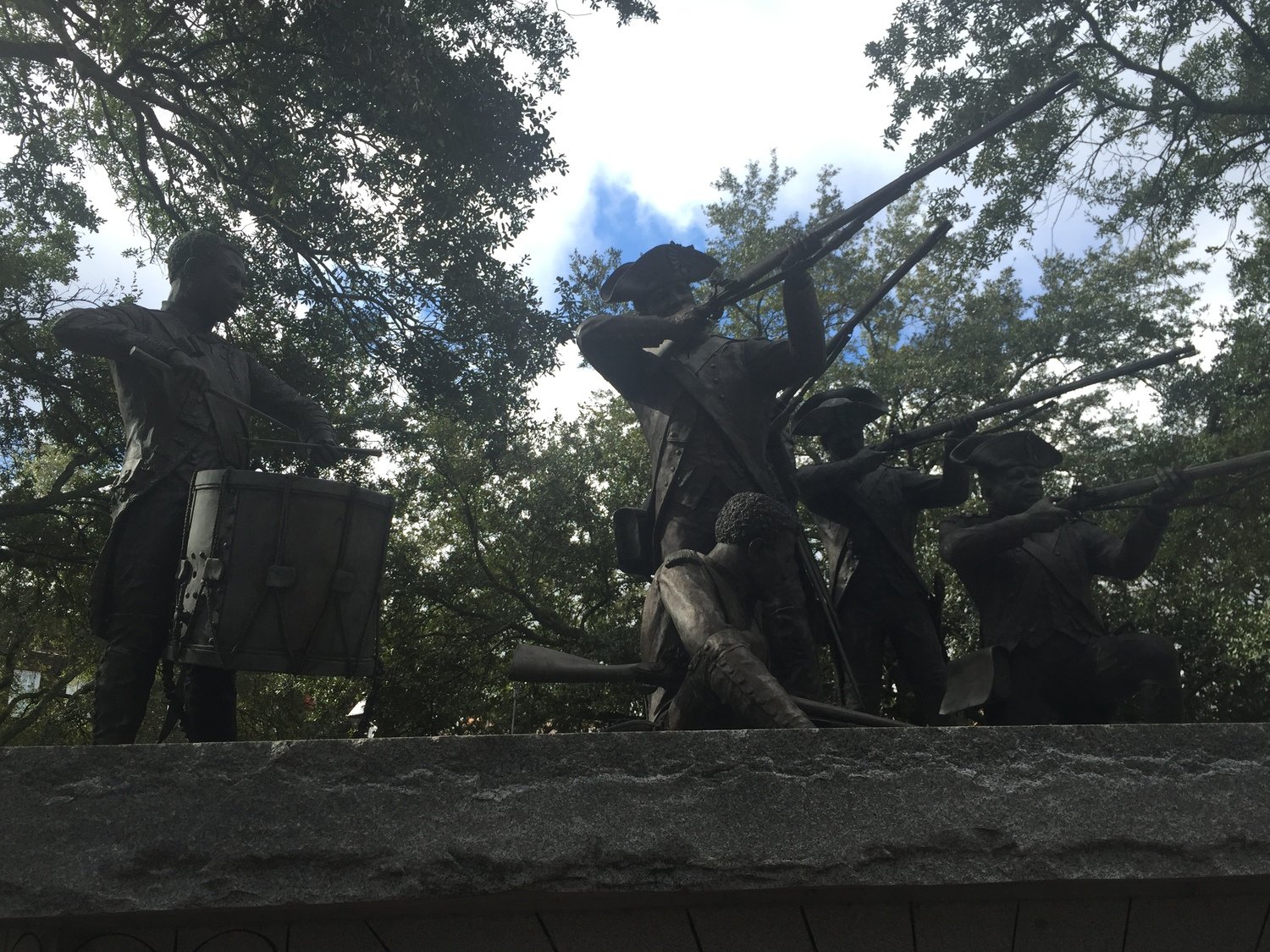
On October 9, 1779, a significant event in American history took place, a pivotal moment that would later be recognized for its heroic actions. A force of more than 500 Haitian gens de couleur libre (free men of color) joined American colonists and French troops in a bold attempt to drive the British from Savannah. This regiment, known as the Chasseurs Volontaires de Saint-Domingue, was composed of free men of African descent and became the largest such unit to fight in the American Revolution. Their contribution to the cause was extraordinary, though their efforts were not ultimately successful on that day. Despite the defeat, their bravery and selflessness played a vital role in the larger story of American independence. The Haitian soldiers stood alongside American and French forces, offering their support in the hope of securing freedom from British rule. Their presence in the battle illustrated the growing alliance among diverse groups committed to the same goal of liberty and independence. It also highlighted the unique contributions of people of African descent, often overlooked in the broader narrative of the Revolution. For the Haitian soldiers, this engagement marked a key moment in their journey toward recognition and respect, not only within the context of the revolution but also in their own nation’s history.

As the battle raged on, American and French soldiers found themselves struggling to maintain their ground against the British forces. The chaos of war saw many of the soldiers retreating, their lines faltering under the pressure of a fierce enemy. In this moment of desperation, the Haitian troops took action, moving in to assist with the retreat of their comrades. Their quick thinking and determination to protect those around them showed their valor in the face of adversity. However, the Chasseurs Volontaires de Saint-Domingue, though brave, were inexperienced and unfamiliar with the tactics of battle on such a large scale. This inexperience came at a high cost, with the regiment suffering a significant number of casualties. Despite their losses, the Haitian soldiers remained steadfast in their resolve, demonstrating the spirit of courage and patriotism that was to define their legacy. Their sacrifice would not go unnoticed, but it would take more than two centuries for their actions to be officially recognized. The contribution of these Haitian Americans to the fight for freedom was an essential but often forgotten chapter in the story of the American Revolution.

The bravery of these soldiers and their contribution to the Revolutionary War was not fully acknowledged for many years. It wasn’t until 228 years later that the soldiers of the Chasseurs Volontaires de Saint-Domingue were honored for their role in the Battle of Savannah. The recognition came in the form of a monument, placed in Benjamin Franklin Square in Savannah, Georgia. This monument stands as a testament to the Haitian soldiers’ courage and sacrifice during the American Revolution. It serves as a reminder of the important role that men of African descent played in securing the freedoms that we hold dear today. The establishment of the monument marked a significant moment in the ongoing process of recognizing the diverse contributions to American history. For many years, the contributions of these soldiers were overshadowed by other historical narratives, but their actions were finally given the respect they deserved. The monument itself is more than just a symbol; it is a physical embodiment of the long-overdue recognition of their heroism. It stands proudly in Savannah, not only commemorating the Haitian soldiers but also acknowledging the broader struggle for freedom that united people from various backgrounds.

The Haitian soldiers who fought at Savannah were part of a larger movement of global support for the American Revolution. While the French were the primary foreign allies of the American colonists, the Haitian contribution was crucial and symbolized the unity of oppressed peoples fighting for freedom. The Haitian revolutionaries, many of whom had their own struggle for independence in mind, were deeply invested in seeing the British defeated. This shared commitment to freedom and self-determination bound the Haitian soldiers to the American cause. In addition to their military contributions, they brought with them their own rich cultural heritage and a deep sense of patriotism for their homeland, Saint-Domingue (now Haiti). Their participation in the Battle of Savannah is a reflection of the broader transatlantic struggle for liberty, where oppressed peoples from various corners of the world sought to overcome tyranny. The alliance between the Haitian soldiers and the American colonists was one of mutual support and shared ideals, underscoring the importance of international solidarity in the fight for freedom.

As the years passed, the story of the Haitian soldiers faded into the background of American history, often eclipsed by other more prominent narratives. However, organizations like the Children of Fallen Patriots Foundation have worked to bring attention to the contributions of soldiers from all ethnicities, including those who served during the Revolutionary War. This foundation, dedicated to honoring the sacrifices of military personnel, has been instrumental in ensuring that the contributions of the Haitian soldiers are not forgotten. Katelyn N. Brewer, the Chief of Operations for the Foundation, personally visited the memorial to pay her respects to the Haitian soldiers on behalf of the organization. Her visit was not only a gesture of respect but also a reminder that the legacy of these soldiers is worthy of recognition. By visiting the monument, Brewer and the Foundation helped raise awareness about the importance of remembering the diverse backgrounds of those who fought for America’s freedom. Their actions underscore the ongoing need to tell the full story of American history, one that acknowledges the contributions of all groups who played a role in the nation’s founding.

The Haitian soldiers who fought at the Battle of Savannah were not just warriors; they were part of a larger community of individuals who sought to build a more just world. Their participation in the Revolutionary War was a continuation of their fight for independence, which had already begun in their homeland. Haiti’s struggle for freedom was intrinsically tied to the global movement against colonial oppression. The Haitian Revolution, which would break out a few years later in 1791, was fueled by the same ideals of liberty that inspired the American Revolution. The Haitian soldiers at Savannah understood that their fight for independence was not only for their own people but also for a broader, shared vision of freedom. By aligning themselves with the American cause, they sought to create a future where tyranny could be defeated on multiple fronts. Their actions were motivated by a profound sense of justice, equality, and the hope that they could contribute to a world where all people, regardless of race or background, could live in freedom.

The Battle of Savannah itself, while a defeat for the American and French forces, was a critical moment in the larger context of the Revolutionary War. Though they were unsuccessful in driving the British out of the city, the battle provided important lessons in military strategy and the realities of warfare. The Haitian soldiers, though inexperienced, were not deterred by the challenges they faced. They fought bravely, and in doing so, they proved their unwavering commitment to the cause of liberty. Their courage in the face of adversity laid the groundwork for the larger movement that would continue to unfold in the coming years. The bravery of the Chasseurs Volontaires de Saint-Domingue was a spark that would eventually fuel greater recognition of the role of people of African descent in the struggle for freedom. Their story, though long overlooked, is an essential part of the narrative of the American Revolution and the ongoing fight for equality and justice.

The memorial in Benjamin Franklin Square is not just a tribute to the soldiers of the Haitian regiment, but also a symbol of the ongoing struggle for recognition. It represents the effort to bring to light the contributions of all people who fought for freedom, particularly those whose stories have often been marginalized. For many, the monument serves as a powerful reminder of the ways in which history has been shaped by diverse groups of individuals, each with their own unique stories and sacrifices. The Haitian soldiers’ story is one that calls for greater acknowledgment, not only in the context of the American Revolution but in the broader historical narrative. Their actions remind us that freedom is a global struggle and that people from all corners of the world have played a role in shaping the history of nations. The monument, therefore, is a call to remember the contributions of the Haitian soldiers and to continue working toward a future where all voices are heard and valued.

In honoring the Haitian soldiers, we also honor the larger story of people of African descent who have fought for freedom throughout history. Their struggles, both in the context of slavery and the fight for independence, are an integral part of the broader fight for human rights. The Haitian soldiers at Savannah were part of a global movement that sought to challenge colonialism and oppression. Their courage and determination are a testament to the enduring spirit of resistance that has characterized the African diaspora. In recognizing their contributions, we acknowledge the role that African-descended people have played in shaping not only the history of the United States but the world. It is a reminder that freedom is not just the right of one group of people but of all humanity. The Haitian soldiers’ sacrifices should inspire us to continue striving for a world where liberty, justice, and equality are upheld for everyone, regardless of their background.

The memorial at Benjamin Franklin Square is more than just a historical marker; it is a symbol of the power of remembrance and the importance of honoring those who have been overlooked in history. By visiting this monument, individuals are reminded of the deep connections between the American and Haitian struggles for freedom. It serves as a space for reflection on the ways in which different nations and cultures have contributed to the shared goal of liberty. The monument also represents the ongoing work of organizations like the Children of Fallen Patriots Foundation, which seeks to honor the legacy of all soldiers who have fought for the values that underpin American democracy. By acknowledging the sacrifices of the Haitian soldiers, we contribute to the ongoing process of healing and reconciliation, ensuring that their heroism is not forgotten. The story of the Chasseurs Volontaires de Saint-Domingue is one of courage, sacrifice, and perseverance—a story that deserves to be remembered and celebrated by all.

In the broader context of American history, the recognition of the Haitian soldiers serves as an important lesson in inclusivity and the importance of diverse contributions to the nation’s founding. The struggle for freedom was not limited to any one group or nation, but was a collective effort that spanned the globe. The Haitian soldiers, as part of this global movement, remind us that liberty and independence were ideals that transcended borders and were fought for by many different peoples. Their role in the Battle of Savannah underscores the importance of solidarity in the fight for freedom and equality. The recognition of their bravery, long after the event itself, is a powerful reminder of the need to continue working toward a more inclusive understanding of history. By acknowledging the contributions of all groups, we ensure that the full story of the American Revolution and its aftermath is told, one that includes the voices and sacrifices of people from all walks of life.

The legacy of the Haitian soldiers at Savannah is one that has been long overshadowed, but through efforts like the establishment of the memorial, their story is beginning to receive the attention it deserves. It is a legacy that speaks to the universal desire for freedom, dignity, and equality. Their bravery in the face of adversity continues to inspire future generations, reminding us of the power of collective action in the fight against oppression. Their story should serve as a source of pride for Haitians and for all who value liberty and justice. The memorial is a fitting tribute to these soldiers who gave their lives for a cause greater than themselves. It also serves as a reminder that the fight for freedom is ongoing and that every generation has a role to play in ensuring that the ideals of liberty are upheld for all people.

0
The Role of the US and France in Haiti’s Poverty: A History of Exploitation and the Need for Reparations

The Role of the US and France in Haiti’s Poverty: A History of Exploitation and the Need for Reparations

Haiti, the first independent Black republic, has a rich and resilient history. However, despite its cultural and revolutionary significance, the nation has faced persistent poverty, political instability, and economic underdevelopment. While various factors contribute to Haiti’s struggles, two nations—France and the United States—bear significant responsibility for the ongoing issues. For centuries, these countries exploited Haiti’s resources, leading to the impoverishment of its people. Today, the US and France continue to benefit from the economic and political structures they put in place, and as a result, they should be held accountable for reparations to help lift Haiti out of its cycle of poverty.

Haiti’s Revolution and French Exploitation

The Haitian Revolution, which culminated in 1804, was a groundbreaking event in world history. Haitians, many of whom were enslaved, rose up against French colonial rule and successfully defeated one of the world’s most powerful empires. However, their victory was met with harsh punishment and continued exploitation. In 1825, under the threat of military invasion, Haiti was forced to sign an agreement with France, agreeing to pay an indemnity of 150 million francs for the property France had lost—including enslaved people and land.

This indemnity, imposed by France, was essentially a form of economic extortion. Haiti had to borrow money from French banks to pay the debt, which took decades to settle. This financial burden crippled Haiti’s economy for generations, diverting funds that could have been used for education, infrastructure, and development. Instead, Haiti was forced to pay for its own freedom, further entrenching the cycle of poverty that persists today.

The US and Economic Intervention in Haiti

The United States, which supported Haiti’s independence in principle, became heavily involved in the nation’s affairs in the 20th century. The US occupation of Haiti from 1915 to 1934 had long-lasting effects on the country. During this time, the US government seized control of Haiti’s finances, customs, and infrastructure. American corporations were given preferential treatment, and the Haitian economy became more dependent on US interests.

American-led businesses profited immensely from Haiti’s natural resources, while the Haitian people saw little benefit. The occupation contributed to the depletion of the nation’s wealth, as foreign investments often led to exploitative labor practices. Haitian workers were subjected to poor working conditions and low wages, while the profits were funneled back to the United States. The US occupation, instead of aiding the development of Haiti, ensured that the nation remained economically subjugated.

The US’s Role in Haitian Politics

The US also played a key role in shaping Haiti’s political landscape, often to its disadvantage. After the occupation ended in 1934, the US continued to exert influence over Haiti’s government through both direct and indirect means. In the mid-20th century, the US supported the dictatorial regime of François Duvalier, known as “Papa Doc.” While the US claimed to support democracy and stability, it ignored the human rights abuses under Duvalier’s regime because of geopolitical interests during the Cold War.

This backing of authoritarian regimes, despite the suffering of the Haitian people, hindered the establishment of democratic institutions and the growth of a functioning civil society. The US continued to interfere in Haiti’s political affairs, prioritizing its own interests over the welfare of the Haitian population.

Continued Economic Exploitation

Even after the end of direct occupation and the Duvalier era, Haiti continued to be economically exploited by both the US and France. American companies, particularly in the agricultural and textile industries, took advantage of Haiti’s cheap labor. In return, Haiti received little in terms of economic growth or development. The country remained a supplier of raw materials and inexpensive labor, while the wealth generated from Haitian resources was used to enrich foreign entities.

France, too, continued to benefit from Haiti’s exploitation. French multinational corporations took advantage of Haiti’s unstable political climate and lack of infrastructure, often paying workers poverty wages. These companies profited at the expense of the Haitian people, who were left to live in extreme poverty, with little opportunity for upward mobility.

Debt and Continued Dependence

In addition to the indemnity Haiti was forced to pay to France, the country has been burdened by external debt for much of its history. After the 1825 agreement with France, Haiti took out loans to pay off the debt, which was compounded by interest. This debt was a significant source of economic instability, and it hindered Haiti’s ability to invest in vital infrastructure and social services. Even as the debt burden increased, both the US and France profited from loans and aid programs that were structured to benefit foreign interests rather than Haitian development.

In the 20th century, the World Bank and the International Monetary Fund (IMF)—institutions that are heavily influenced by the US and France—continued to impose structural adjustment programs on Haiti. These programs required Haiti to implement austerity measures, such as reducing public spending, privatizing state-owned enterprises, and opening up its markets to foreign competition. The result was further impoverishment for the Haitian people, as social services were cut, and the country’s resources were further siphoned off to benefit foreign companies and governments.

The Social and Humanitarian Impact

The legacy of French and American exploitation is visible in the lives of ordinary Haitians today. Haiti remains one of the poorest countries in the Western Hemisphere, with an economy that is largely dependent on foreign aid and remittances. The country suffers from a lack of infrastructure, widespread poverty, inadequate healthcare, and limited access to education. These systemic issues are the direct result of centuries of exploitation by foreign powers.

Haitians face significant challenges in accessing basic necessities like clean water, food, and healthcare. The country has experienced devastating natural disasters, such as the 2010 earthquake, which left thousands dead and millions displaced. While international aid has poured in after such events, much of it has been mismanaged, with funds often diverted for political purposes. As a result, the Haitian people have had to endure ongoing struggles with limited support from the countries responsible for their impoverishment.

The Continued Disrespect Toward Haitians

One of the most painful aspects of the relationship between Haiti and the US and France is the continued disrespect towards Haitians. In both the US and France, there exists a tendency to look down upon Haiti and its people. Haitians often face discrimination and prejudice, even though the history of these countries’ involvement in Haiti’s suffering is undeniable.

In the US, Haitians are often marginalized, with stereotypes of poverty and instability perpetuated by the media. Despite their contributions to American society, Haitian immigrants face challenges in achieving upward mobility. The same can be said for Haitians in France, where they experience similar levels of discrimination, particularly in terms of employment and integration into society.

The Case for Reparations

Given the historical exploitation Haiti has suffered at the hands of France and the United States, it is only fair that both countries provide reparations to help address the ongoing poverty and inequality in Haiti. Reparations would serve as recognition of the centuries of exploitation that have impoverished the Haitian people and robbed them of their resources.

Haiti’s wealth, particularly its agricultural resources, was stolen by colonial powers. The forced payment of indemnity to France, the exploitation of Haiti’s labor, and the manipulation of its political systems have left lasting scars on the nation. The US and France owe Haiti reparations not only to rectify these historical wrongs but also to help the country build a sustainable and prosperous future.

How Reparations Could Help Haiti

Reparations for Haiti could take many forms. Financial support for infrastructure, education, and healthcare would be essential in lifting the Haitian people out of poverty. Investments in local businesses and industries would create jobs and stimulate the economy. Additionally, reparations could support the development of democratic institutions and social services, ensuring that future generations of Haitians have access to the tools they need to succeed.

Reparations would also serve as a symbolic gesture of reconciliation. It would show that the US and France acknowledge their role in Haiti’s suffering and are committed to helping the country recover. It would also serve as an acknowledgment of the Haitian people’s resilience and their right to a better future.

A Call for Justice

In conclusion, the US and France are directly responsible for the economic struggles and ongoing poverty that Haiti faces today. These nations exploited Haiti’s resources, imposed crippling debts, and interfered with the country’s sovereignty for centuries. The impact of these actions is still felt by the Haitian people, who continue to struggle with poverty and underdevelopment.

As both nations continue to benefit from the historical exploitation of Haiti, it is only right that they provide reparations to help the country rebuild. Reparations are not just a matter of financial compensation; they are a step toward justice, reconciliation, and a brighter future for Haiti and its people. The US and France have a moral obligation to acknowledge their role in Haiti’s suffering and take concrete steps to support the country’s recovery. Only then can we begin to heal the wounds of the past and ensure that Haiti has the opportunity to thrive.

0
The Haitian Occupation of the Dominican Republic: A Historical Lesson in Humility and Unity

The Haitian Occupation of the Dominican Republic: A Historical Lesson in Humility and Unity

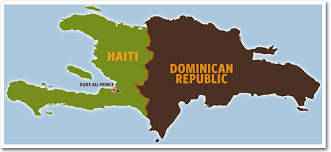
The history of Haiti and the Dominican Republic has been marked by a complex relationship shaped by both cooperation and conflict. The Haitian occupation of the Dominican Republic from 1822 to 1844 remains one of the most significant chapters in this history. Despite the tensions that have existed since, it is important for Dominicans to recognize that without Haiti’s intervention, the Dominican Republic would not have its current identity as a nation. Humility and mutual respect are crucial for understanding the shared history of the island and fostering a sense of unity.

The Haitian Occupation of Santo Domingo: 1822 to 1844

The occupation of the Dominican Republic by Haiti began in 1822, when Haitian president Jean-Pierre Boyer invaded and annexed the eastern part of the island, which was known as Santo Domingo. This marked the third time Haiti had attempted to take control of the region, but this time, the occupation was successful and endured for 22 years. Despite the lack of strong resistance, the occupation had lasting effects on the Dominican people, shaping their perceptions of Haiti for generations to come.

Jean-Pierre Boyer’s forces marched into Santo Domingo with little opposition. At that time, the newly independent Haitian state had its own struggles and sought to maintain control over the entire island. Boyer believed that uniting the island under one government would help stabilize the region and improve Haiti’s economic situation. His government declared the eastern part of the island, which was then under Spanish colonial control, as part of the Republic of Haiti.

The Initial Impact of Haitian Occupation on Santo Domingo

The occupation of Santo Domingo by the Haitians in 1822 initially brought some improvements. The Haitian government sought to modernize the island, instituting measures to improve infrastructure, education, and public services. However, these reforms came at a cost, as they were often imposed from the top down, with little regard for local customs and traditions. This approach fostered resentment among Dominicans, who felt that their identity and culture were being suppressed under Haitian rule.

Moreover, the Haitian government imposed its own economic and political systems on the Dominican population, disrupting existing structures. Agriculture, which had been a major part of the economy, was reduced to a sustenance level, with exports plummeting. Haiti’s economic resources were limited, and it could not afford to sustain the same level of agricultural production in the east as it had in the west. This led to further economic decline and made the occupation even less popular among the Dominican people.

Cultural and Religious Tensions During the Occupation

Another significant effect of the Haitian occupation was the cultural and religious tensions it created. Haiti, being a predominantly Catholic nation, took steps to impose its own religious control over Santo Domingo. Under Boyer’s rule, Haitian authorities confiscated church property, deported foreign clergy, and severed ties with Rome. These actions alienated the Dominican population, as many Dominicans were deeply devoted to the Catholic Church and considered its presence a key part of their identity.

The interference in religious matters further exacerbated the resentment felt by the Dominican people toward their Haitian occupiers. The Haitian government’s actions were seen as attempts to erase the cultural and religious heritage of the Dominican Republic. This, in turn, fostered a deep sense of animosity that would last long after the occupation ended.

Economic Decline and the End of the Occupation

The economic situation in Santo Domingo continued to worsen throughout the Haitian occupation. With the collapse of trade and exports, the region became economically isolated, further fueling discontent among the local population. The Haitian government, which had its own financial troubles, could not sustain the occupation and failed to address the economic needs of the people in the eastern part of the island.

By 1844, after 22 years of occupation, the people of Santo Domingo had had enough. A popular uprising, fueled by nationalism and a desire for independence, led to the expulsion of the Haitian forces. The movement for independence was led by figures like Juan Pablo Duarte, who is often regarded as the founder of the Dominican Republic. The uprising was successful, and Haiti’s control over the eastern part of the island ended.

The Legacy of the Haitian Occupation

Although the Haitian occupation officially ended in 1844, the legacy of those 22 years remains embedded in the relationship between Haiti and the Dominican Republic. The occupation left a lasting imprint on Dominican identity, and many generations of Dominicans viewed the period as marked by cruelty, injustice, and barbarism. The memories of suffering and cultural repression during the occupation shaped the Dominican Republic’s future policies and attitudes toward Haiti.

In addition to the economic and cultural struggles, the occupation also created a tradition of distrust between the two nations. Dominicans were taught to see Haitians as invaders, and the historical narrative of the occupation was often framed in terms of victimhood. This legacy of mistrust and resentment continues to affect the relationship between the two countries today.

Haiti’s Role in the Creation of the Dominican Republic

Despite the resentment and bitterness that followed the Haitian occupation, it is important to acknowledge that without Haiti’s intervention, the Dominican Republic might never have emerged as a separate nation. The Haitian occupation of Santo Domingo played a crucial role in the formation of Dominican identity. Without the 1822 annexation, the Dominican Republic might have remained under foreign rule, possibly perpetuating the dominance of Spanish or even other colonial powers.

Haiti’s occupation helped shape the modern political landscape of the island. It provided Dominicans with a shared sense of resistance, and in the long term, it fostered a desire for self-determination. Without the Haitian occupation, the Dominican struggle for independence might have been delayed or even extinguished.

The Dominican Republic’s Current Attitude Toward Haitians

In the present day, the relationship between the Dominican Republic and Haiti is complicated. There is a significant Haitian diaspora living in the Dominican Republic, and many Haitians face discrimination and mistreatment. This mistreatment is rooted in a complex history, but it is also a reflection of the lingering effects of the Haitian occupation. The Dominican Republic, as a nation that has fought for its identity and independence, often views Haitians through the lens of past conflicts, even though much has changed since then.

However, it is essential for Dominicans to recognize that their nation’s existence today is in part due to Haiti’s actions in the early 19th century. Without the Haitian occupation and the eventual expulsion of Haitian forces, the Dominican Republic may never have achieved the independence and sovereignty it enjoys today. Haitians, through their occupation, played a vital role in the creation of the Dominican nation.

Humility in Recognizing Shared History

As nations with a shared history, it is important for Dominicans to adopt humility and acknowledge the role that Haiti played in shaping their country. It is easy to view the past through the lens of division and resentment, but understanding history with compassion and empathy for both sides can lead to reconciliation and mutual respect.

Rather than continuing the cycle of hostility and mistrust, Dominicans should seek to understand the complexities of their shared history with Haiti. Acknowledging Haiti’s role in the creation of the Dominican Republic can foster a spirit of cooperation and unity. It is essential to remember that both nations, though they have faced hardship and conflict, share a common cultural and historical heritage. By honoring this shared legacy, both Haiti and the Dominican Republic can build stronger, more peaceful relations.

The Importance of Moving Beyond Resentment

For the Dominican Republic to move forward, it must let go of the resentment that has been passed down through generations. Dominicans should recognize that they are not separate from Haiti in their history, and that the pain and suffering that Haiti experienced should not be seen as a justification for mistreating Haitians living in the Dominican Republic today.

Dominicans can be proud of their independence and the nation they have built, but they should also be humble enough to recognize that their history is deeply intertwined with that of Haiti. The struggle for freedom and sovereignty is one shared by both nations, and it is crucial to acknowledge the role each country has played in shaping the other’s history.

A Call for Unity and Understanding

The relationship between Haiti and the Dominican Republic has been fraught with conflict, but it does not have to remain this way. By learning from history, both nations can foster understanding, respect, and unity. The Haitian occupation of Santo Domingo may have left scars, but it also left lessons that can help guide both countries toward a more peaceful and cooperative future.

If Dominicans choose to embrace their shared history with Haiti, they can create a foundation for a more positive future for both nations. The key is humility, understanding, and mutual respect. It is time for both Haitians and Dominicans to move beyond the divisions of the past and build a future rooted in collaboration and shared prosperity.

0
The Haitian Revolution defeated the French in 1804

The Haitian Revolution: Defeating the French and Creating the First Independent Black Republic

The Haitian Revolution stands as one of the most significant and revolutionary events in world history. It marked the first successful slave uprising in the Americas, culminating in the establishment of Haiti as the first independent Black republic in 1804. The revolution, which began as a revolt by enslaved Africans against French colonial rule, changed the course of history, not just for the Caribbean but for the entire world.

The Origins of the Haitian Revolution

The roots of the Haitian Revolution can be traced back to the brutal and inhumane system of slavery in the French colony of Saint-Domingue (modern-day Haiti). Saint-Domingue was one of the wealthiest colonies in the world, generating enormous wealth through sugar and coffee plantations. This wealth was built upon the backs of enslaved Africans who were subjected to grueling labor and horrific conditions.

The enslaved population, made up of hundreds of thousands of Africans, had been enduring oppressive conditions for decades. The French colonial system exploited and dehumanized them, but over time, these conditions led to simmering tensions that would eventually boil over into a full-scale revolt.

The Spark: 1791 Slave Uprising

In 1791, the seeds of revolution were sown when the enslaved population in Saint-Domingue rose up against their French oppressors. Inspired by the ideals of the French Revolution, particularly the principles of liberty, equality, and fraternity, the slaves began to demand their freedom. The initial uprising, known as the 1791 Slave Uprising, was the catalyst that set the course for the Haitian Revolution.

The rebellion was brutal and widespread, with enslaved individuals from various plantations banding together to fight for their freedom. This uprising, although uncoordinated in the beginning, set the stage for what would become one of the largest and most successful slave revolts in history.

Toussaint Louverture: The Leader Emerges

As the rebellion gained momentum, a remarkable leader emerged from the ranks of the enslaved. Toussaint Louverture, a former slave and military leader, quickly became the central figure of the revolution. Louverture was highly skilled in military strategy and had a deep understanding of the political landscape, which allowed him to unite the various factions of the rebellion.

By 1793, Louverture had proven himself to be a formidable force, pushing the French forces out of many key regions of the colony. His leadership and strategic brilliance earned him the respect of both his allies and enemies. Louverture’s ability to negotiate with the French and Spanish, as well as his strategic alliances, ensured that the revolution continued to thrive.

Toussaint Louverture Declares Leadership

In 1801, Louverture declared himself the leader of Saint-Domingue, effectively establishing control over the colony. He introduced significant reforms, including the abolition of slavery, and sought to establish a stable, self-sustaining government for the former colony. Louverture’s actions were not just about securing independence for Haiti; they were also about creating a society based on equality, justice, and freedom.

However, Louverture’s rise to power did not sit well with the French, who saw the former slave as a threat to their colonial empire. In response, Napoleon Bonaparte, who had risen to power in France, sent an army to Saint-Domingue in an attempt to reassert French control and restore slavery. Despite Louverture’s successes on the battlefield, the French eventually captured him in 1802, sending him to a prison in France, where he would die in 1803.

Jean-Jacques Dessalines Takes Up the Struggle

With the capture of Louverture, many feared that the revolution would collapse. However, the rebellion did not falter. Jean-Jacques Dessalines, a loyal general under Louverture and a key figure in the revolution, took up the mantle of leadership. Dessalines was determined to continue the fight for independence and the abolition of slavery.

In late 1803, Dessalines led the forces of the Haitian revolution to a decisive victory over the French in the Battle of Vertières, one of the most important battles in Haitian history. The French forces, weakened by disease and relentless resistance from the Haitian rebels, were finally forced to retreat. The victory at Vertières sealed the fate of the French in Haiti and paved the way for the declaration of independence.

January 1, 1804: Haiti’s Declaration of Independence

On January 1, 1804, Jean-Jacques Dessalines stood before the people of Saint-Domingue and announced the independence of Haiti. This momentous event marked the birth of Haiti as the first independent Black republic in the world. It was a powerful statement not only of the resilience of the Haitian people but also of the ability of enslaved people to rise up and overthrow their oppressors.

Dessalines’s declaration of independence was more than just the end of French colonial rule. It was the end of slavery, the abolishment of a system that had enslaved millions of Africans, and the beginning of a new era for the Haitian people. It was a revolution that showed the world that Black people could govern themselves and build a nation based on the ideals of freedom and equality.

The Significance of the Haitian Revolution

The Haitian Revolution was one of the most significant events in world history, and its impact was felt far beyond the Caribbean. It was the largest slave uprising in the Atlantic world, surpassing even the revolt of Spartacus against the Roman Republic. The revolution proved that enslaved people had the power to overthrow their oppressors and fight for their freedom.

The revolution also inspired slave revolts throughout the Americas, including in the United States, Cuba, and Latin America. It radicalized American abolitionists, who saw the success of the Haitian Revolution as a beacon of hope for the abolition of slavery in the United States. The revolution also had a profound impact on the political landscape of the time, influencing both sides of the American Civil War and shaping the global conversation about freedom and human rights.

Influence on the American Civil War

The Haitian Revolution’s impact on the United States was profound. The successful revolt of enslaved people in Haiti made slave owners in the Southern United States uneasy. The fear that a similar uprising could occur in the American South led to heightened tensions over the issue of slavery. Abolitionists in the North used the example of Haiti to argue for the end of slavery in the United States, while Southern leaders saw Haiti as a warning of the dangers of emancipation.

Haiti’s success in overthrowing colonial rule also inspired enslaved people in the U.S. to resist their conditions, and many saw Haiti as a model for achieving their freedom. The Haitian Revolution was a key influence in the political discourse surrounding the abolition of slavery and the fight for civil rights.

Legacy of the Haitian Revolution

The legacy of the Haitian Revolution is vast and far-reaching. It established Haiti as the second sovereign nation in the Western Hemisphere, following the United States. Haiti’s independence was a powerful statement to the world that oppressed people could rise up, overthrow their colonizers, and build a free and independent nation.

The revolution also laid the groundwork for future movements for Black liberation and anti-colonial struggles throughout the world. It showed that the fight for freedom and justice was not limited to one race or region. The Haitian Revolution provided a model for other countries fighting against imperialism and colonialism, inspiring future generations to continue the struggle for equality and human rights.

Haiti’s Role in the Global Struggle for Independence

The Haitian Revolution had a lasting impact on global struggles for independence. The success of the revolution in Haiti was a beacon of hope for enslaved people and colonized nations everywhere. It demonstrated that oppressed people could challenge the established order and create their own path to freedom. Haiti’s victory encouraged other slave and colonial uprisings throughout the world, particularly in Latin America and the Caribbean.

Haiti’s independence also had an important influence on the development of abolitionist movements in Europe and the Americas. The Haitian Revolution made it clear that slavery was not a natural state of affairs, and it provided a powerful argument for the abolition of slavery in other parts of the world.

Challenges and Struggles After Independence

Although the Haitian Revolution was a monumental success, the challenges faced by Haiti after independence were immense. The country had to rebuild itself from the ashes of colonialism, and the legacy of French imperialism weighed heavily on the fledgling republic. Haiti faced both external and internal challenges, including debt imposed by France as compensation for the loss of its colony, which crippled the economy for decades.

Despite these challenges, Haiti remained an important symbol of Black freedom and resistance. The Haitian Revolution set a powerful example of how the oppressed could rise up and create their own destiny. Over time, Haiti became a symbol of hope for those fighting for equality and justice around the world.

The Role of Toussaint Louverture in the Haitian Revolution

Toussaint Louverture’s role in the Haitian Revolution cannot be overstated. His leadership, vision, and strategic brilliance were instrumental in the success of the revolution. Louverture was not only a military leader but also a politician who understood the importance of securing alliances and forging a path toward self-determination for the Haitian people. Although he did not live to see Haiti’s independence, his contributions laid the foundation for the success of the revolution and the establishment of the first independent Black republic.

The Impact of the Haitian Revolution on French Colonialism

The Haitian Revolution dealt a significant blow to French colonialism in the Americas. Haiti’s success in gaining independence marked the end of French colonial aspirations in the Caribbean, and it sent shockwaves throughout the colonial world. For France, the loss of Haiti was a major blow, as it was one of its richest and most important colonies. The revolution undermined the European powers’ belief in the permanence of slavery and colonial rule, leading to changes in their approach to colonial governance.

Conclusion: The Enduring Power of the Haitian Revolution

The Haitian Revolution remains one of the most important events in world history. It is a testament to the power of the oppressed to overthrow their oppressors and build a society based on freedom and equality. Haiti’s success in defeating the French and gaining

0
Castor Oil for Hair Growth: Does It Really Work? HAITIBEST

Haitian Castor Oil: A Proven Solution for Hair Growth

If you’re looking to boost hair growth and achieve thicker, healthier hair, you’re certainly not alone. Many people are on the hunt for an effective and natural solution to hair thinning or slow growth. One such solution that has proven its worth for centuries is castor oil, and more specifically, Haitian Castor Oil. Haitian Castor Oil is not just another trend; it’s a tried-and-true method for stimulating hair growth, improving scalp health, and restoring damaged hair.

Why Haitian Castor Oil Works 100% for Hair Growth

Haitian Castor Oil is rich in Ricinoleic acid, a powerful fatty acid that has been shown to increase blood circulation in the scalp. This enhanced circulation ensures that your hair follicles are nourished and supplied with the nutrients they need to grow strong, healthy hair. Unlike other oils, Haitian Castor Oil provides a deep infusion of Omega-6 and Omega-9 fatty acids, which are vital for maintaining moisture in the scalp and hair. These nutrients work together to reduce dryness, prevent breakage, and promote healthy hair growth. The result? Thicker, fuller, and faster-growing hair.

More Than Just Hair Growth: A Complete Solution

While many people use castor oil for hair growth, Haitian Castor Oil offers a much more comprehensive solution. Its moisturizing properties help keep the scalp hydrated and prevent the dryness that can lead to itching and flaking. This makes it an excellent remedy for people with sensitive scalps or conditions like dandruff. Additionally, the oil’s anti-inflammatory properties work to soothe and calm irritated skin, which creates the perfect environment for new hair to grow. So, whether you’re dealing with hair thinning, scalp irritation, or simply want to enhance your hair’s overall health, Haitian Castor Oil works 100% for everyone.

How Haitian Castor Oil Helps with Bald Spots and Alopecia

If you’re struggling with bald spots or alopecia, Haitian Castor Oil can be a game-changer. Alopecia, which causes hair loss in patches, often results from inflammation or poor circulation to the hair follicles. Haitian Castor Oil’s ability to stimulate blood flow helps regenerate hair growth in these affected areas. With consistent use, many people report noticeable hair regrowth in bald spots or thinning areas within weeks. Whether your hair loss is due to stress, genetics, or scalp conditions, Haitian Castor Oil provides a powerful, natural solution.

The Proven Effectiveness of Haitian Castor Oil

Many people have already experienced the benefits of Haitian Castor Oil for hair growth. Time and time again, users report that the oil has helped them regrow hair, restore their hairline, and improve the health and texture of their hair. Haitian Castor Oil has become a staple in the beauty routines of people all over the world who are looking to nourish and grow their hair naturally. The best part? It works for all hair types—curly, straight, wavy, or coily. Regardless of your hair texture, Haitian Castor Oil delivers impressive results.

Haitian Castor Oil vs. Other Castor Oils: Why It’s the Best Choice

While Jamaican Castor Oil is often touted as a great option for hair growth, Haitian Castor Oil is the superior choice. Haitian Castor Oil is produced using traditional, small-batch methods that preserve its potency and nutrient content. It’s cold-pressed from roasted castor beans, which enhances the oil’s therapeutic properties, ensuring that you receive the maximum benefits for hair growth. In comparison, many Jamaican Castor Oil products are produced using industrial processes that may strip the oil of some of its beneficial properties. Haitian Castor Oil offers a richer, more effective option for those serious about hair growth.

Support Haiti with Every Purchase from HAITIBEST.COM

When you purchase Haitian Castor Oil from HAITIBEST.COM, you’re not only investing in your hair’s health, but you’re also supporting a greater cause. HAITIBEST.COM is committed to improving the lives of Haitian people by creating jobs and economic opportunities in Haiti. Every bottle of Haitian Castor Oil you buy helps provide jobs to local farmers, workers, and artisans, allowing them to support their families and communities. This makes every purchase a step toward making Haiti great again, while also giving you the confidence of knowing you’re using a high-quality product that makes a difference.

The Right Way to Use Haitian Castor Oil for Maximum Hair Growth

Using Haitian Castor Oil is simple, but there are a few best practices that can enhance its effectiveness. To maximize hair growth, apply a generous amount of oil to your scalp and massage it in using circular motions. This not only helps distribute the oil evenly but also stimulates blood flow to the hair follicles. For best results, leave the oil on for at least 30 minutes, or even overnight for more intense hydration. Be sure to wash it out thoroughly with a mild shampoo to avoid buildup. With regular use, you will start to notice healthier, thicker hair within just a few weeks.

Consistency is Key for Visible Results

Like any natural remedy, consistency is key. To see the best results, use Haitian Castor Oil at least 2-3 times a week. While some people may notice improvements in just a few weeks, continued use will yield the most significant results. The oil works over time to nourish and stimulate the scalp, and with regular application, you’ll begin to see new growth, less breakage, and shinier, healthier hair. Whether you are dealing with thinning hair or simply want to improve the overall health of your hair, Haitian Castor Oil is the perfect addition to your hair care routine.

The Importance of Pure and High-Quality Haitian Castor Oil

When choosing a castor oil, it’s important to select one that is pure, unrefined, and free from additives. Haitian Castor Oil from HAITIBEST.COM is 100% pure, ensuring that you’re getting all the nutrients and benefits without any unnecessary chemicals. The oil is cold-pressed to preserve its natural properties, so you can trust that you’re using the highest quality product available. Unlike some other brands that dilute their oil or add chemicals, HAITIBEST.COM guarantees the purity and potency of their Haitian Castor Oil.

Haitian Castor Oil Works for Everyone, No Matter Your Hair Type

One of the most remarkable things about Haitian Castor Oil is its versatility. It works for all hair types, from curly and coily hair to straight and wavy hair. If you have dry, brittle hair, Haitian Castor Oil will hydrate and repair it, reducing breakage and split ends. For those with oily hair, the oil won’t leave your scalp feeling greasy; instead, it helps balance oil production, promoting a healthier scalp environment. Haitian Castor Oil is ideal for both men and women, whether you are experiencing hair loss, thinning, or simply want to enhance the appearance of your hair.

Support Your Hair’s Health Naturally with Haitian Castor Oil

Haitian Castor Oil provides a natural, chemical-free way to improve your hair’s health. If you’ve been searching for a way to grow your hair faster, reduce hair thinning, and create a healthier scalp, look no further than Haitian Castor Oil. By nourishing the scalp and follicles with essential fatty acids and vitamins, this oil creates an optimal environment for hair growth. It helps reduce inflammation, fights scalp infections, and promotes blood circulation—all key factors in maintaining healthy hair. Best of all, it’s a completely natural, safe alternative to expensive treatments or harsh chemicals.

Why Choose HAITIBEST.COM for Your Haitian Castor Oil?

When it comes to buying Haitian Castor Oil, HAITIBEST.COM is the number one trusted brand. Known for its dedication to quality, sustainability, and community support, HAITIBEST.COM ensures that you are getting the best product for your hair. The oil is ethically sourced, and every purchase supports the Haitian community by creating jobs and opportunities. By choosing HAITIBEST.COM, you’re not only making the best choice for your hair but also contributing to a brighter future for Haiti.

Achieve Your Hair Goals with Haitian Castor Oil

No matter your hair goals—whether you’re looking for faster growth, improved hair thickness, or healthier, shinier hair—Haitian Castor Oil is the solution you’ve been searching for. Its rich, nutrient-packed formula works for everyone, helping to nourish, hydrate, and strengthen hair from root to tip. By using Haitian Castor Oil from HAITIBEST.COM, you are giving your hair the care it deserves while supporting the Haitian community. With consistent use, you will see the incredible results that come from using the finest natural oil available.